HAPÉ / RAPÉ
A Grounded Ceremony Centered on Intention, Presence, and Respect
Hapé is a traditional Amazonian ceremonial practice that is also used in some contemporary wellness and spiritual settings.
At Transcendent Sanctuary, Hapé is approached with respect, informed choice, clear boundaries, and attention to each participant’s comfort, readiness, and safety.
NONCLINICAL CEREMONIAL PRACTICE
Hapé Is a Nonclinical Service
Hapé offered through Transcendent Sanctuary is a nonclinical ceremonial and wellness service.
Participation does not establish a therapist-client relationship and is not psychotherapy, medical treatment, mental-health treatment, diagnosis, or a substitute for professional healthcare.
Although Kimberly is a licensed therapist, her role during a Hapé experience is separate from her role as a psychotherapist. Hapé is offered only to eligible adults age 18 and older, subject to screening and suitability requirements.
Please note: Some ceremonial practices may involve physical or emotional intensity. Participants should disclose relevant health concerns and medications before participating. When appropriate, Kimberly may recommend consultation with a qualified healthcare professional before participation.

WHAT IS HAPÉ?
What Is Hapé?
Hapé is a traditional preparation associated with Indigenous Amazonian practices and is
commonly administered ceremonially through the nose using a specialized applicator.
Its traditional meaning, preparation, ingredients, and ceremonial use can vary across
communities and lineages.
Traditional Context
Hapé has cultural roots within specific Indigenous traditions. Hapé has roots in traditional practices among specific Indigenous communities of South America. Practices, preparations, and cultural meanings differ among communities.

Hapé in Contemporary Wellness Settings
Today, Hapé may also be encountered in some nonclinical ceremonial, spiritual, or wellness environments.
People may choose to explore it for personal reflection, intention-setting, ritual, grounding, or spiritual reasons. Individual experiences vary.

Evidence & Claims
Hapé should not be represented as a proven medical or mental-health treatment.
Any health-related or scientific statement should be supported by reliable evidence and reviewed carefully before publication.
Transcendent Sanctuary approaches Hapé strictly as a grounded, nonclinical wellness and ceremonial experience.
WHAT THE EXPERIENCE MAY INVOLVE
What to Expect
01
Conversation
Participants receive general information about the ceremony, boundaries, blend, risks, and what to expect.
02
Screening & Consent
Kimberly reviews relevant participation and safety considerations before confirming whether the ceremony can proceed.
Confirmed with facilitator during preliminary screening
03
Ceremonial Experience
The experience takes place within Kimberly’s confirmed ceremonial structure.
Confirmed with facilitator during preliminary screening
04
Rest & Reflection
Participants may have time afterward to settle, reflect, journal, or transition back into their day.
Confirmed with facilitator during preliminary screening
EXPLORATION & REFLECTION
Why People Explore Hapé
HAPÉ EXPERIENCE
Ceremonial Reflection & Wellness
A guided experience focused on helping participants approach Hapé with greater awareness, preparation, and respect for its traditional Amazonian context and nonclinical ceremonial setting.
Sessions include preparation guidance, ceremony support, and post-experience reflection. Participation is subject to health screening and individual suitability.
Personal & Spiritual Reflection
People may be drawn to Hapé for personal or spiritual reflection, intention-setting, and creating an intentional pause from daily activity.
Exploring Grounded Presence
Some participants describe the practice as an opportunity to explore grounded presence, sensory awareness, and quiet inward focus.
Participation in Ceremony
Individuals may seek the structured, intentional nature of traditional ceremony practiced in a respectful, contemporary wellness setting.
Personal Growth & Curiosity
Curiosity about traditional practices and supporting a meditative or reflective experience centered on personal growth and self-discovery.
Mindful Ritual & Pause
Creating an intentional pause to step away from daily routines, reduce distraction, and cultivate stillness.
Reflective Integration
Reflection afterward may help participants consider what the experience meant to them personally without expectation or pressure.
YOUR WELL-BEING MATTERS
Know What You Are
Participating In
Depending on the preparation, Hapé may expose participants to tobacco, nicotine, or other biologically active plant
substances. Nicotine can cause physical effects and can be habit-forming. Some participants may experience
uncomfortable or adverse reactions.
Possible reactions may include:
Nasal or throat irritation
Nausea
Dizziness
Headache
Changes in heart rate
Changes in blood pressure
Feeling faint or unwell
Other reactions depending on ingredients and individual health factors
This list is not complete and is not a substitute for medical advice.
Before Participating
Participants should share relevant health information with the facilitator before taking part, including known medical conditions, current medications or supplements, allergies or sensitivities, previous reactions to nicotine or tobacco, and any history of fainting or significant cardiovascular symptoms.
Because the ingredients and strength of Hapé preparations can vary, individual responses may also vary. Participants should be informed, as far as reasonably possible, about the preparation being offered before deciding whether to participate.
Screening Requirements
Health screening process:
Hapé may not be appropriate for everyone. Before participating, individuals may be asked to discuss relevant health history, medications, physical conditions, mental-health considerations, and other factors that may affect suitability. Participation may be declined when safety or suitability concerns are identified.
Medication screening:
Participants must disclose all current medications, treatments, and supplements before participation to identify any potential interactions or contraindications.
Pregnancy policy:
Hapé is not appropriate during pregnancy or breastfeeding, and participation will be declined.
Cardiovascular-health policy:
Individuals with significant cardiovascular, respiratory, or serious medical conditions should not participate without explicit medical clearance.
Minimum age:
Hapé is offered only to eligible adults age 18 and older, subject to screening and suitability requirements.
Emergency procedure:
Hapé is not an emergency or medical service. If you are experiencing an immediate medical emergency, call 911 or go to the nearest emergency facility.
Screening cannot eliminate all risk. Anyone with health concerns should discuss participation with an appropriately qualified healthcare professional.
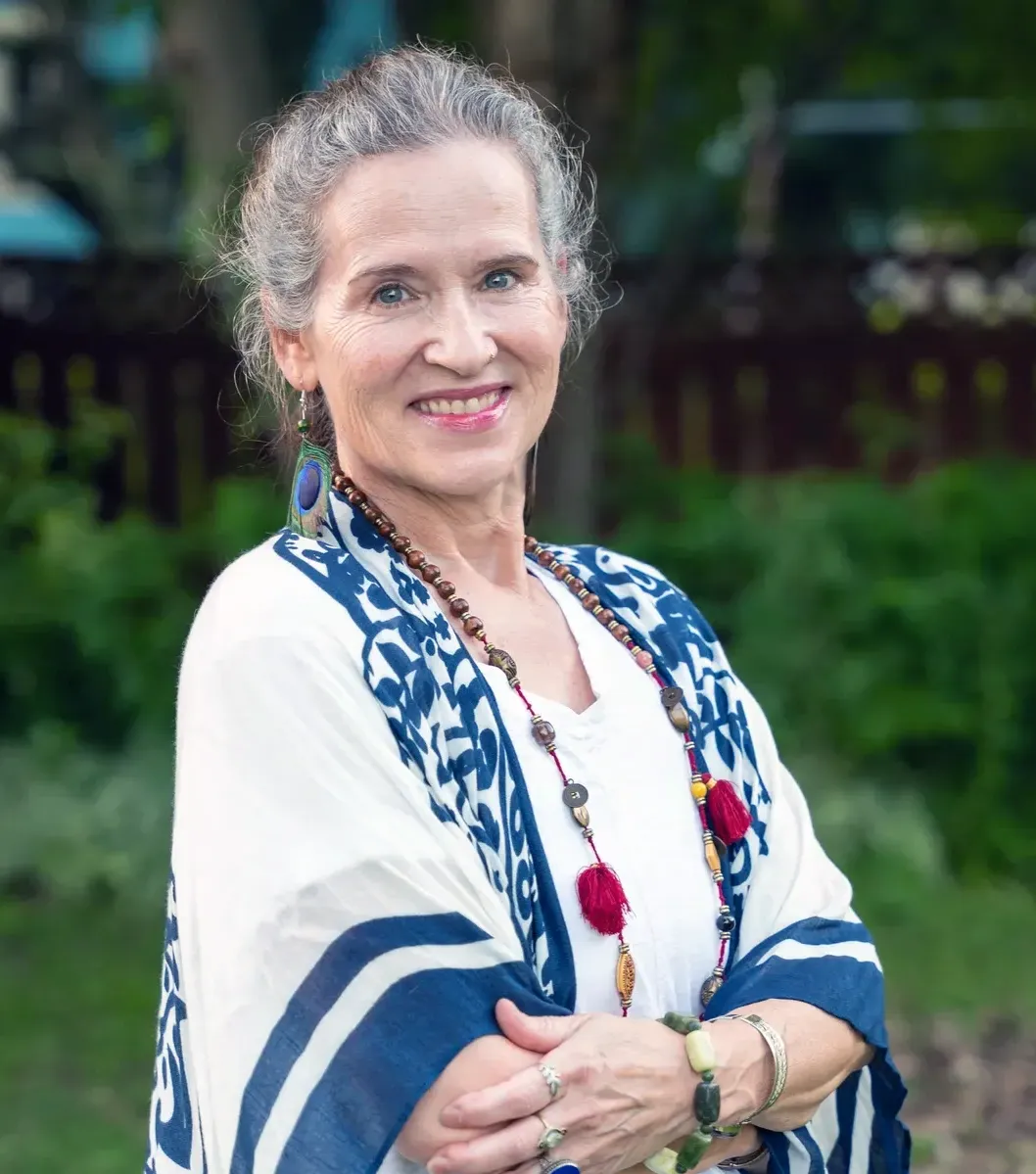
“A compassionate space for healing, growth, and connection.”
HAPÉ WITH KIMBERLY
A Respectful, Choice-Centered Approach
Kimberly approaches Hapé with respect for the practice, clear communication, informed consent, and attention to participant boundaries and well-being. Participants are encouraged to remain in control of their experience, ask questions, and communicate any discomfort or concerns.
Personal autonomy & choice:
Honoring each participant’s readiness, pacing, and comfort without pressure or expectations.
Informed consent & boundaries:
Transparent conversations about what to expect, individual suitability, and personal boundaries.
20+ years of experience:
Kimberly brings more than 20 years of experience supporting people through personal growth and wellness.
Grounded ceremonial setting:
A quiet, supportive, nonclinical environment with attentive care throughout the session.
Nonclinical service distinction:
Kimberly’s role during Hapé is nonclinical and separate from her role as a psychotherapist.
CONSIDERING A CEREMONY?
Hapé May Appeal to People
Who Are...
- Hapé May Appeal to People Who Are...
- Curious about ceremonial wellness experiences
- Seeking intentional time for reflection
- Interested in ritual and mindfulness
- Wanting to slow down and reduce everyday distractions
- Exploring nonclinical wellness practices
- Comfortable reviewing health and safety considerations before participating
- Interested in understanding the cultural context of the practice
Participation is not appropriate for everyone. Individual suitability must be considered
through Kimberly’s confirmed screening process.
Eligibility: Hapé is offered only to eligible adults age 18 and older, subject to screening and suitability requirements. Participation may be declined when safety or suitability concerns are identified.
BEFORE YOU BOOK
Ceremony Details
Format
In-person ceremonial and wellness session
Setting
Private, calm, and grounded ceremonial space
Duration & Pacing
Dedicated time for orientation, ceremony, and grounding reflection
Eligibility
Adults age 18+, subject to health and suitability screening
Preparation
Advance consultation, preliminary screening, and guidance
Ceremony Setting
Quiet, supportive space designed for focus and presence
Grounding & Integration
Dedicated quiet rest and post-session reflection
Submitting an inquiry does not establish a therapist-client relationship or guarantee eligibility for Hapé.
Community Experiences
Questions About Hapé Ceremonies
What is Hapé?
Hapé is a traditional preparation associated with Indigenous Amazonian practices and is commonly administered ceremonially through the nose using a specialized applicator. Its traditional meaning, preparation, ingredients, and ceremonial use can vary across communities and lineages.
Is Hapé therapy?
No. Hapé offered through Transcendent Sanctuary is a nonclinical ceremonial and wellness service. Participation does not establish a therapist-client relationship and is not psychotherapy, counseling, mental-health treatment, diagnosis, or a substitute for professional healthcare. Although Kimberly is a licensed therapist, her role during Hapé is separate from her role as a psychotherapist.
Does Hapé contain tobacco?
Traditional Hapé preparations often contain tobacco (such as Nicotiana rustica) along with other botanical ashes and herbs, though preparations and strengths vary across communities and lineages. Individual ingredients and blend details are discussed with participants prior to ceremony.
Is Hapé addictive?
When preparations contain tobacco, nicotine exposure carries the potential for physical dependence and habit formation. Participants should consider this factor and discuss any personal history of nicotine sensitivity or dependence during preliminary screening.
Does Hapé detox the body?
No. Hapé is not a medical detoxification or medical treatment, and Transcendent Sanctuary does not make detox, medical, or disease-curing claims. While some participants describe feeling grounded, centered, or refreshed, these are subjective personal experiences and not proven health outcomes.
What does a ceremony feel like?
Experiences can vary between individuals. A session may involve physical sensations such as nasal or throat irritation, watery eyes, temporary dizziness, nausea, quiet focus, or personal reflection. Emotional and physical experiences are individual, and no specific spiritual or emotional outcome is guaranteed.
Is Hapé safe for everyone?
No. Hapé may not be appropriate for everyone. Individuals with certain physical or mental-health considerations, prescription medications, cardiovascular conditions, pregnancy, or respiratory sensitivities may not be suitable candidates. Participation is subject to preliminary screening, and sessions are declined when safety concerns are identified.
How is Hapé administered?
Hapé is traditionally administered through the nostrils using a specialized ceremonial pipe or applicator (such as a tepi or kuripe). The experience takes place within a respectful, structured setting with clear communication, informed consent, and mindful pacing at every step.
Can Hapé be done virtually?
No. Hapé ceremonies are offered exclusively in person in a calm, structured, and attentive environment to ensure participant comfort, safety, and direct support. Preliminary informational inquiries or consultations may occur by phone or message.
How do I get started?
You can submit an inquiry through our contact form to learn about the ceremony, screening process, expectations, and availability. Kimberly will follow up to discuss your questions, personal readiness, and eligibility.
BEGIN WITH INFORMATION
Learn About Hapé
If you are curious about Hapé, begin by learning about the preparation being used, the ceremonial format, screening process, potential risks, cultural context, and what participation involves.
CLINICAL SERVICES
Therapy
Clinical Consultation
Clinical Supervision
Professional Training
Ketamine-Assisted Psychotherapy
WELLNESS EXPERIENCES
Energy Healing
Kambo
Coaching
Breathwork
Intensives
Retreats
Education & Workshops
EXPLORE
About Kimberly
Signature Programs
The Village
Resources
Press & Features
Frequently Asked Questions
Contact
Service Disclaimer: Coaching, breathwork, energy healing, ceremonies, retreats, workshops, and other wellness experiences offered through Transcendent Sanctuary are nonclinical services. Participation in these services does not establish a therapist-client relationship and they are not intended to diagnose or treat mental-health conditions.
Crisis Notice: This website does not provide emergency or crisis services. If you are experiencing an immediate emergency, contact your local emergency services or an appropriate crisis resource in your location.
© 2026 Transcendent Sanctuary. All rights reserved.