
FROM SURVIVAL TO SAFETY
Understand Your Survival Patterns. Create More Space for Safety.
From Survival to Safety is a compassionate signature experience designed to help you better understand the protective patterns that can develop during periods of stress, uncertainty, or difficult life experiences.
Through education, guided reflection, nervous-system awareness, and practical tools, the program creates space to explore what safety, connection, and greater choice may look like for you.

“A compassionate space for healing, growth, and connection.”
FROM SURVIVAL TO SAFETY
Understand Your Survival Patterns. Create More Space for Safety.
From Survival to Safety is a compassionate signature experience designed to help you better understand the protective patterns that can develop during periods of stress, uncertainty, or difficult life experiences.
Through education, guided reflection, nervous-system awareness, and practical tools, the program creates space to explore what safety, connection, and greater choice may look like for you.
“A compassionate space for healing, growth, and connection.”
UNDERSTANDING SURVIVAL RESPONSES
Your Responses May Have Developed for a Reason
When life feels overwhelming, uncertain, or unsafe, people often develop ways of protecting themselves and getting through difficult experiences.
These patterns may once have been helpful, yet they can sometimes continue long after the original situation has changed.
From Survival to Safety invites participants to explore these responses with curiosity and compassion rather than judgment.
The goal is not to label your reactions as wrong. It is to better understand what they may be communicating and begin identifying experiences, relationships, choices, and practices that support a greater sense of steadiness and connection.

AREAS OF AWARENESS
Notice the Patterns That Shape Your Experience

Survival responses

Stress patterns

Nervous-system awareness

Emotional triggers

Protective behaviors

Connection & disconnection

Personal boundaries
Self-trust

Body awareness

Relationships

Rest and restoration

Personal choice
Every person’s experience is different. This program does not guarantee a particular emotional, physical, or psychological outcome.
A COMPASSIONATE PROCESS
Building Awareness One Step at a Time
— Notice
Begin recognizing situations, sensations, emotions, and patterns that may activate protective responses.
— Understand
Explore these responses with curiosity and consider what they may have helped you manage or protect against.
— Identify Support
Notice the environments, boundaries, relationships, choices, and practices that may help you experience greater steadiness and connection.
— Practice
Explore practical ways to bring new awareness into everyday situations while respecting your individual pace and boundaries.
These steps are presentation language for the website. Kimberly’s official program structure and terminology must be confirmed before presenting them as proprietary program stages. [CLIENT CONFIRMATION REQUIRED]
WHAT THE EXPERIENCE MAY INCLUDE
Education, Reflection, Awareness, and Practical Tools
Nervous-System Education
Accessible information designed to help participants better understand stress, protective responses, connection, and perceived safety.
Guided Reflection
Prompts, questions, and exercises that encourage participants to explore patterns with curiosity and compassion.
Body Awareness
Opportunities to notice sensations, responses, boundaries, and internal signals without forcing a particular experience.
Practical Integration
Support for connecting new awareness with everyday choices, relationships, communication, rest, and personal boundaries.
Confirmed program practices, exercises, and materials: [CLIENT CONFIRMATION REQUIRED]
A PERSONAL EXPERIENCE
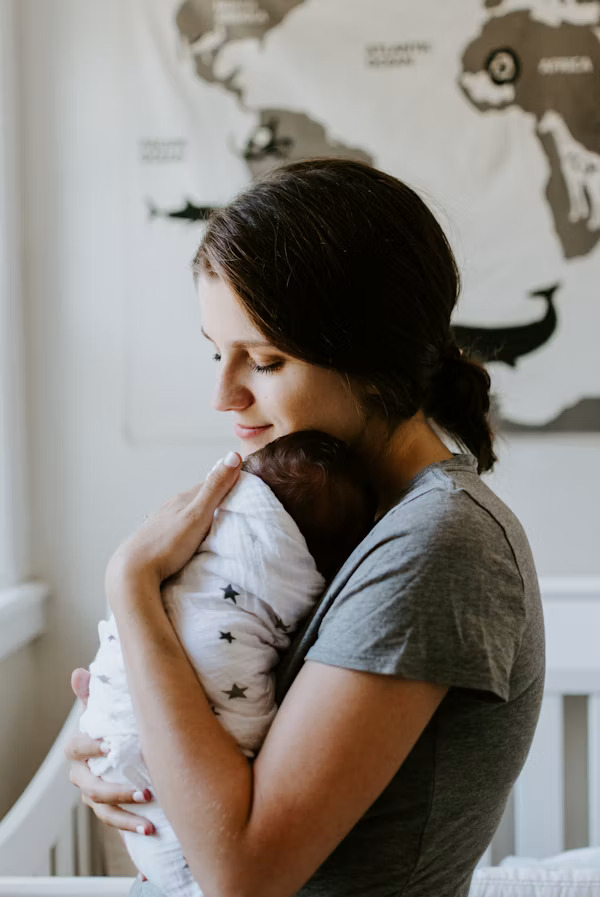
Safety Does Not Look the Same for Everyone
A sense of safety can be influenced by many things, including relationships, environment, physical needs, boundaries, predictability, choice, and connection.
For one person, safety may involve learning to slow down. For another, it may involve speaking up, asking for support, creating stronger boundaries, or recognizing when they need space.
This program should not define safety for participants. Instead, it should encourage people to explore what greater safety and connection may mean within their own lives.
Choice
Boundaries
Connection
Rest
Predictability
Self-awareness
Support
Personal agency
A PERSONAL EXPERIENCE
Safety Does Not Look the Same for Everyone
A sense of safety can be influenced by many things, including relationships, environment, physical needs, boundaries, predictability, choice, and connection.
For one person, safety may involve learning to slow down. For another, it may involve speaking up, asking for support, creating stronger boundaries, or recognizing when they need space.
This program should not define safety for participants. Instead, it should encourage people to explore what greater safety and connection may mean within their own lives.
Choice
Boundaries
Connection
Rest
Predictability
Self-awareness
Support
Personal agency
PROGRAM FORMATS
Different Ways to Explore From Survival to Safety
Individual Experience
A personalized format focused on individual reflection, education, and personal goals.
Small-Group Experience
A guided group environment combining education, reflection, and respectful community learning.
Workshops, Intensives & Retreats
Elements of the program may also be incorporated into workshops, intensives, retreats, or educational experiences.
Available formats: [CLIENT CONFIRMATION REQUIRED]
Program duration: [CLIENT CONFIRMATION REQUIRED]
In-person and virtual availability: [CLIENT CONFIRMATION REQUIRED]
Group size: [CLIENT CONFIRMATION REQUIRED]
IS THIS EXPERIENCE RIGHT FOR YOU?
From Survival to Safety May Resonate If You Are…

Curious about your stress responses
Interested in nervous-system awareness
Noticing repeated protective patterns
Feeling disconnected from your needs
Learning to establish healthier boundaries
Seeking greater self-understanding
Navigating a life transition
Exploring self-trust
Interested in personal growth outside a traditional therapy format
CLEAR EXPECTATIONS
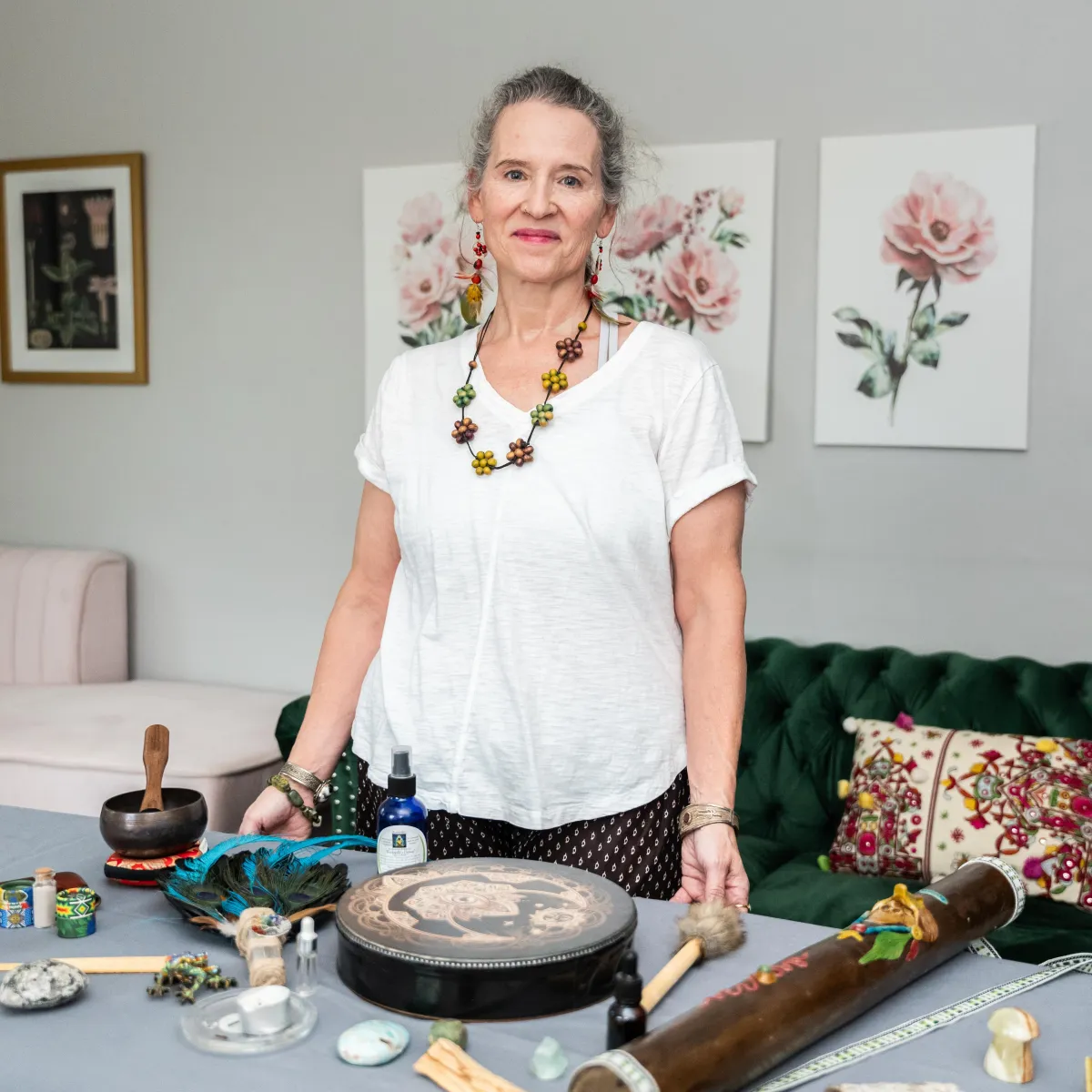
Understanding the Role of This Program
From Survival to Safety may include education, nervous-system awareness, reflection, body awareness, and personal-development practices.
Do not describe the program as psychotherapy, trauma treatment, or medical care unless Kimberly confirms it is being provided within a licensed clinical relationship.
Participation in a nonclinical version of From Survival to Safety does not establish a therapist-client relationship and is not a substitute for appropriate mental-health or medical care.
Official clinical/nonclinical classification: [CLIENT CONFIRMATION REQUIRED]
“A compassionate space for healing, growth, and connection.”
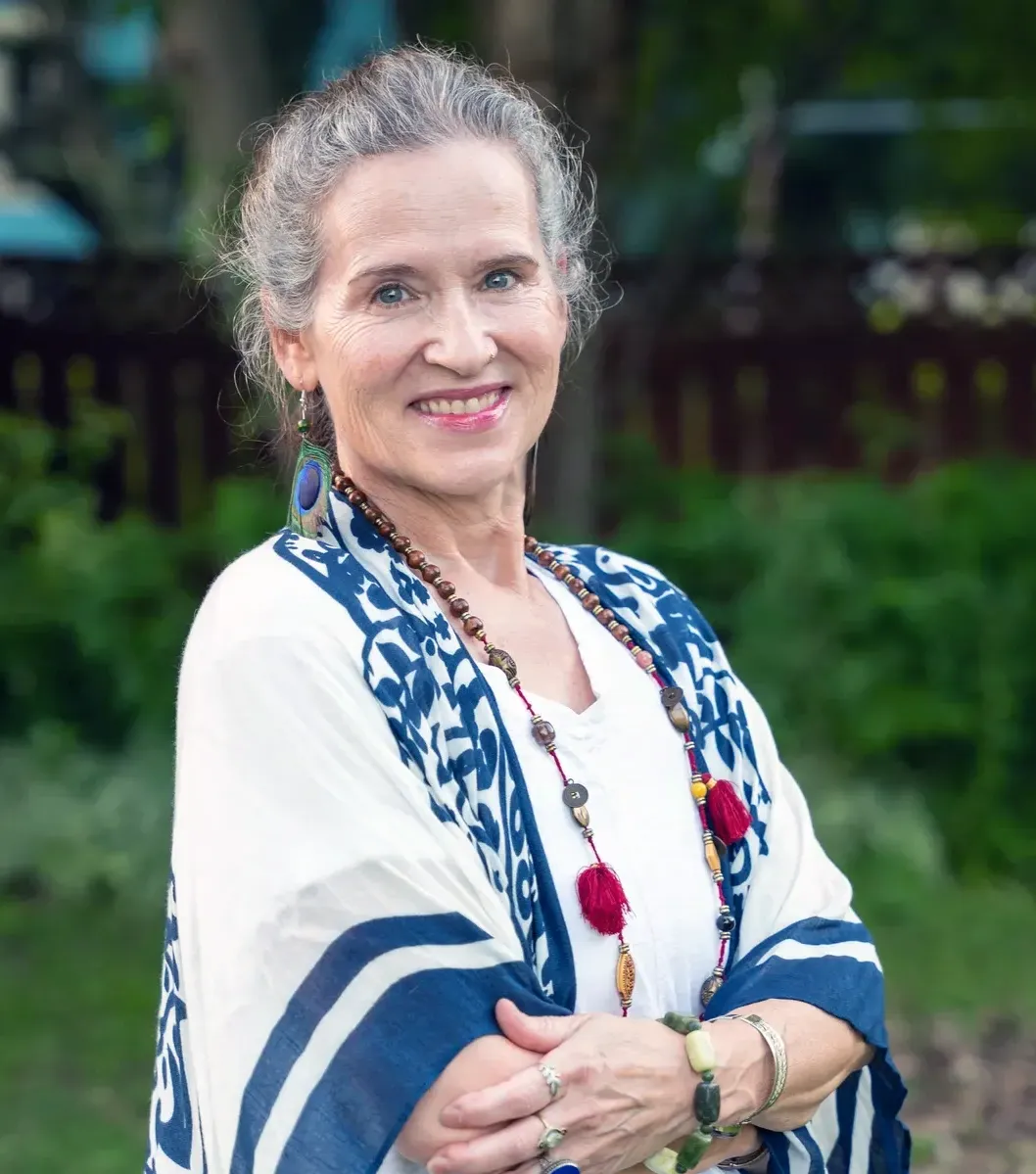
GUIDED BY KIMBERLY TRICKEY
Professional Experience Grounded in Compassion
Kimberly brings more than two decades of experience supporting people through emotional pain, trauma, crisis, relationships, life transitions, and personal growth.
Her approach emphasizes curiosity, compassion, personal choice, and respect for the ways people learn to protect themselves during challenging experiences.
Official program-development history, credentials, training, and facilitator qualifications:
[CLIENT CONFIRMATION REQUIRED]
“A compassionate space for healing, growth, and connection.”
GUIDED BY KIMBERLY TRICKEY
Professional Experience Grounded in Compassion
Kimberly brings more than two decades of experience supporting people through emotional pain, trauma, crisis, relationships, life transitions, and personal growth.
Her approach emphasizes curiosity, compassion, personal choice, and respect for the ways people learn to protect themselves during challenging experiences.
Official program-development history, credentials, training, and facilitator qualifications:
[CLIENT CONFIRMATION REQUIRED]
Community Experiences
Questions About From Survival to Safety
What is From Survival to Safety?
From Survival to Safety is a structured signature experience focused on understanding protective patterns, nervous-system awareness, personal reflection, and exploring what greater internal safety may mean for each participant.
Is this program therapy?
The program’s official clinical or nonclinical classification depends on how Kimberly provides it.
[CLIENT CONFIRMATION REQUIRED]
Is this a trauma-treatment program?
Do not describe it as trauma treatment unless Kimberly confirms that it is offered as a licensed clinical service.
[CLIENT CONFIRMATION REQUIRED]
Is the program available individually or in groups?
Individual and group formats may be available.
[CLIENT CONFIRMATION REQUIRED]
Can I participate virtually?
[CLIENT CONFIRMATION REQUIRED]
(Virtual and in-person availability)
How long is the program?
[CLIENT CONFIRMATION REQUIRED]
(Duration, frequency, and schedule)
Do I need previous experience?
Previous experience may not be required, but final participation and preparation requirements should be confirmed before enrollment.
How do I begin?
Submit an inquiry to learn more about available formats, upcoming opportunities, eligibility, and scheduling.
CREATE SPACE FOR SOMETHING DIFFERENT
Understanding Your Patterns Can Be a Meaningful Place to Begin
From Survival to Safety offers a compassionate way to explore protective responses, increase awareness, and begin considering what greater steadiness, connection, and personal choice may look like in your life.
Clinical Services
Wellness Experiences
Explore
Service Disclaimer: Clinical therapy services are separate from coaching, breathwork, retreats, workshops, and other nonclinical wellness offerings. Nonclinical services are not psychotherapy and are not intended to diagnose or treat mental-health conditions.
Crisis Notice: This website does not provide emergency or crisis services. If you are experiencing an immediate emergency, contact your local emergency services or an appropriate crisis resource in your location.